


Fo Guang Shan Hsi Lai Temple
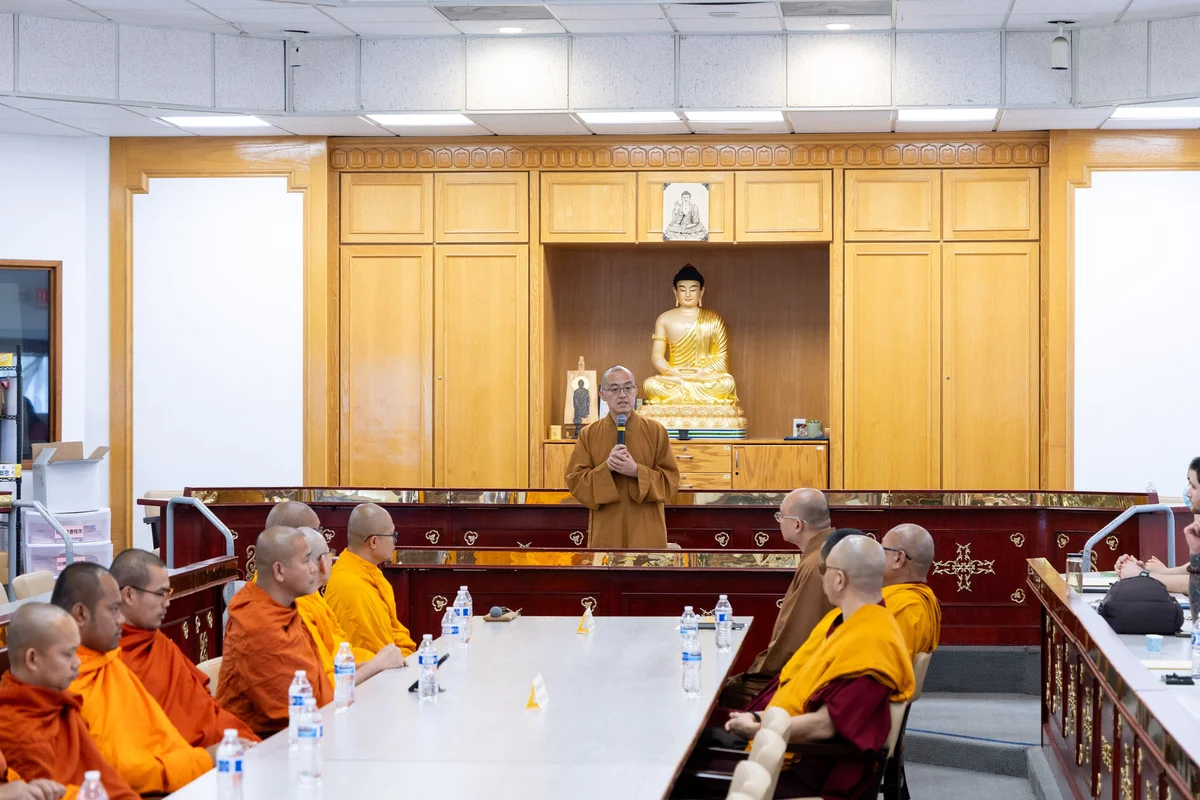
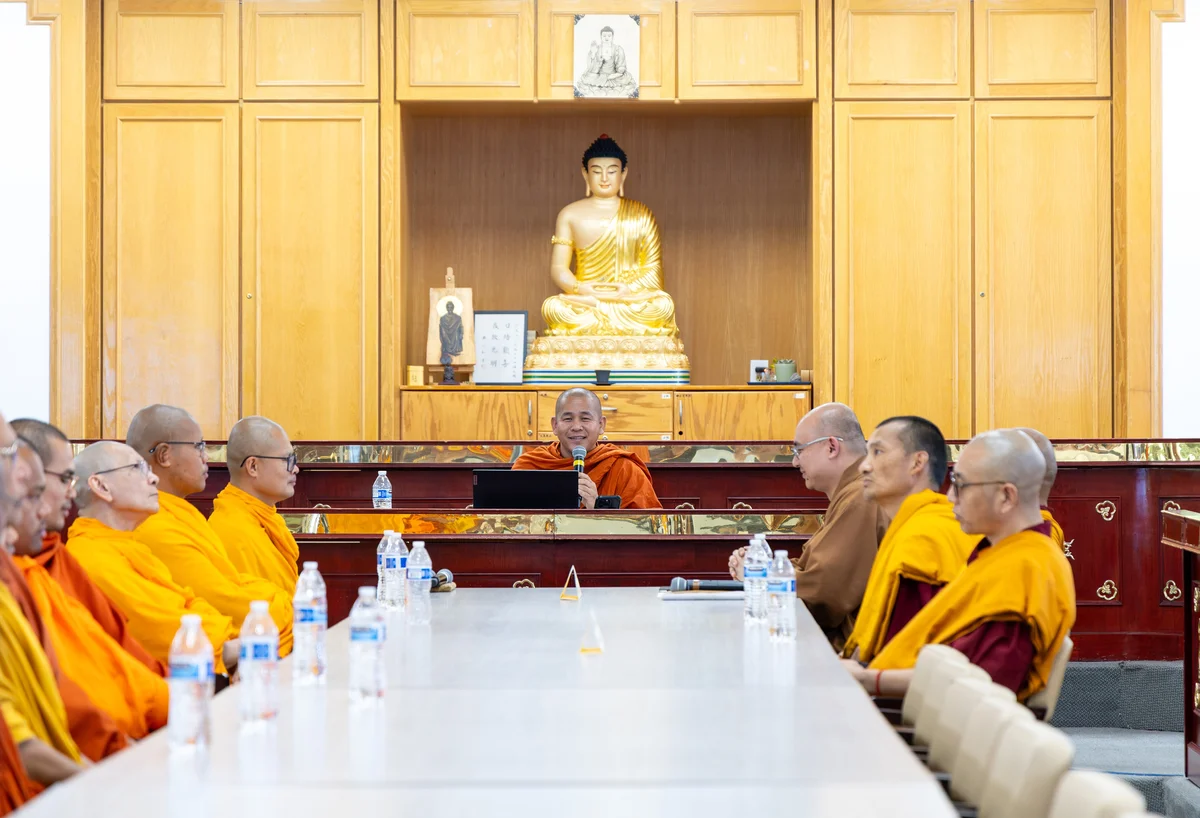
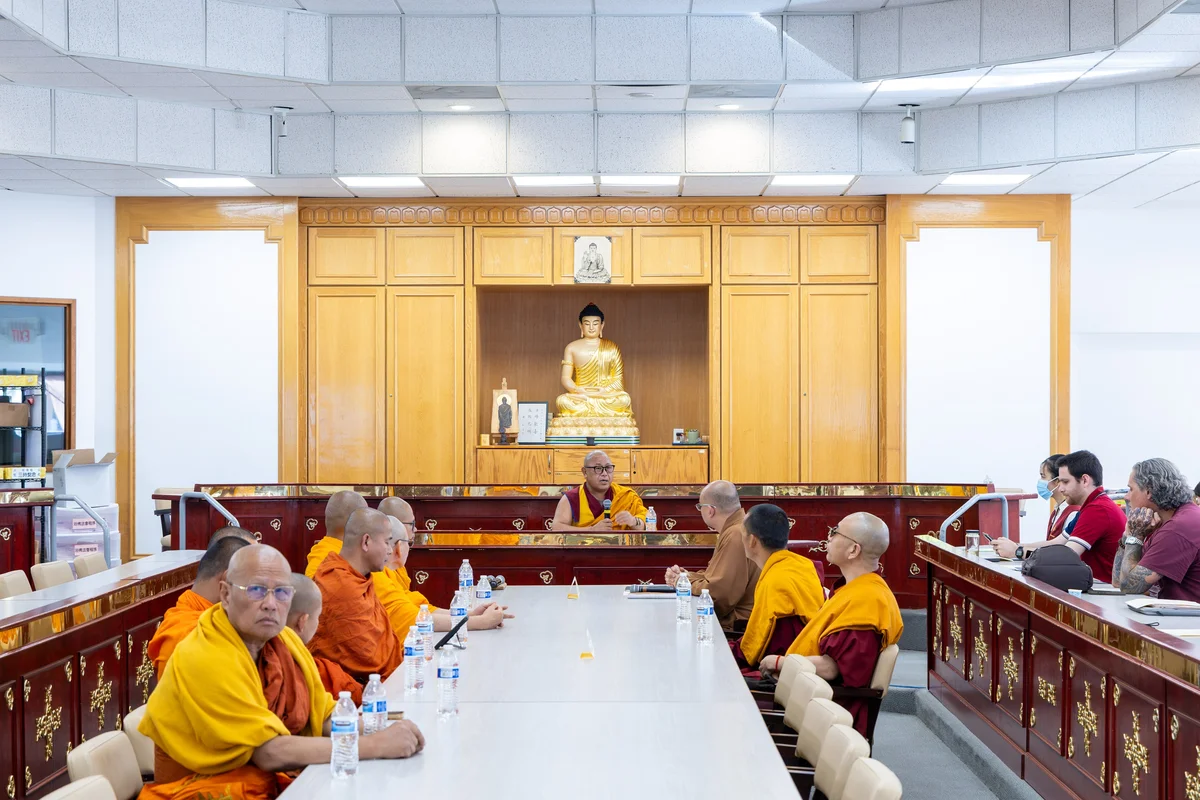
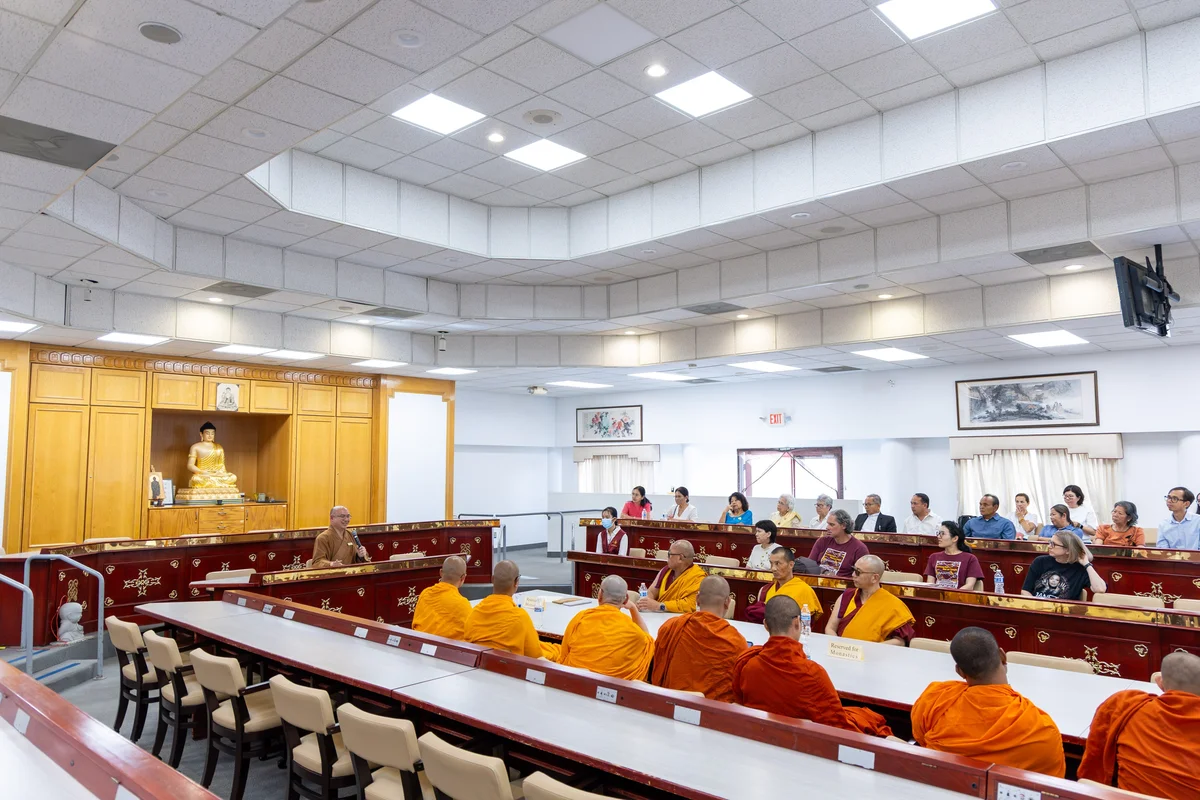
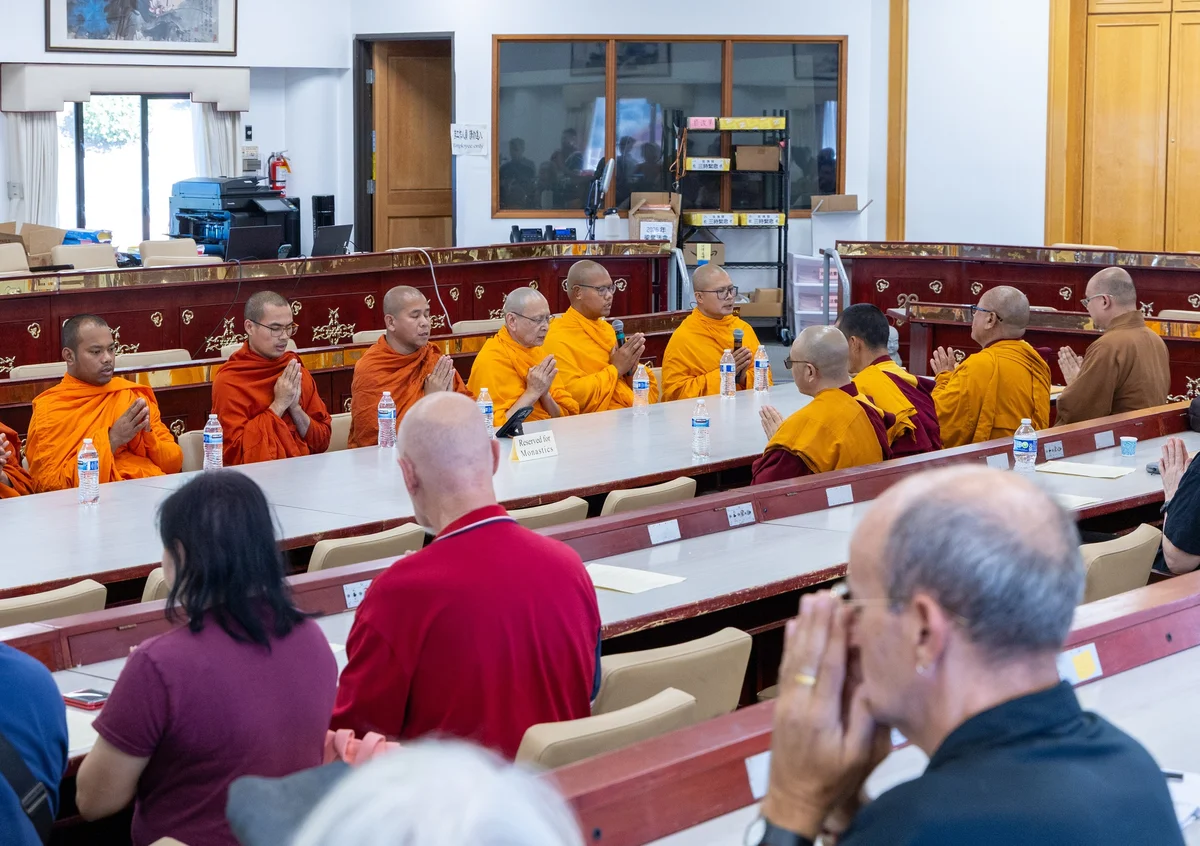
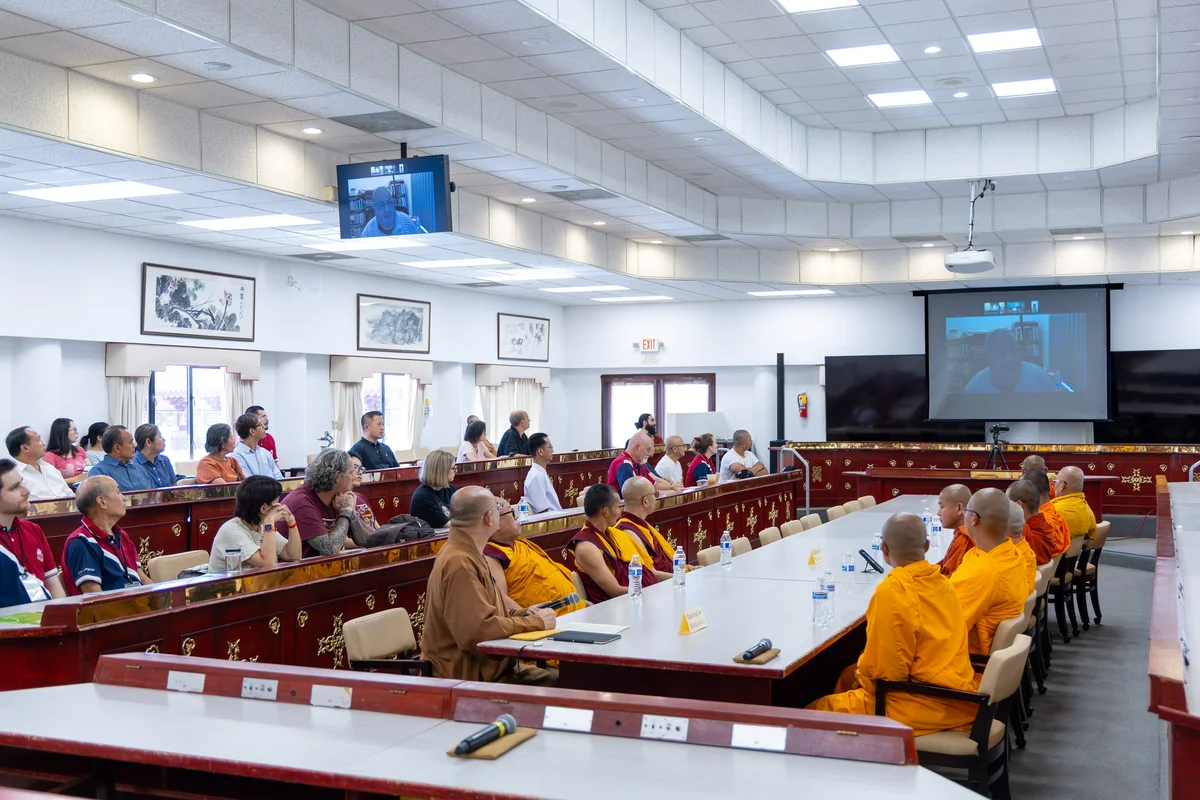
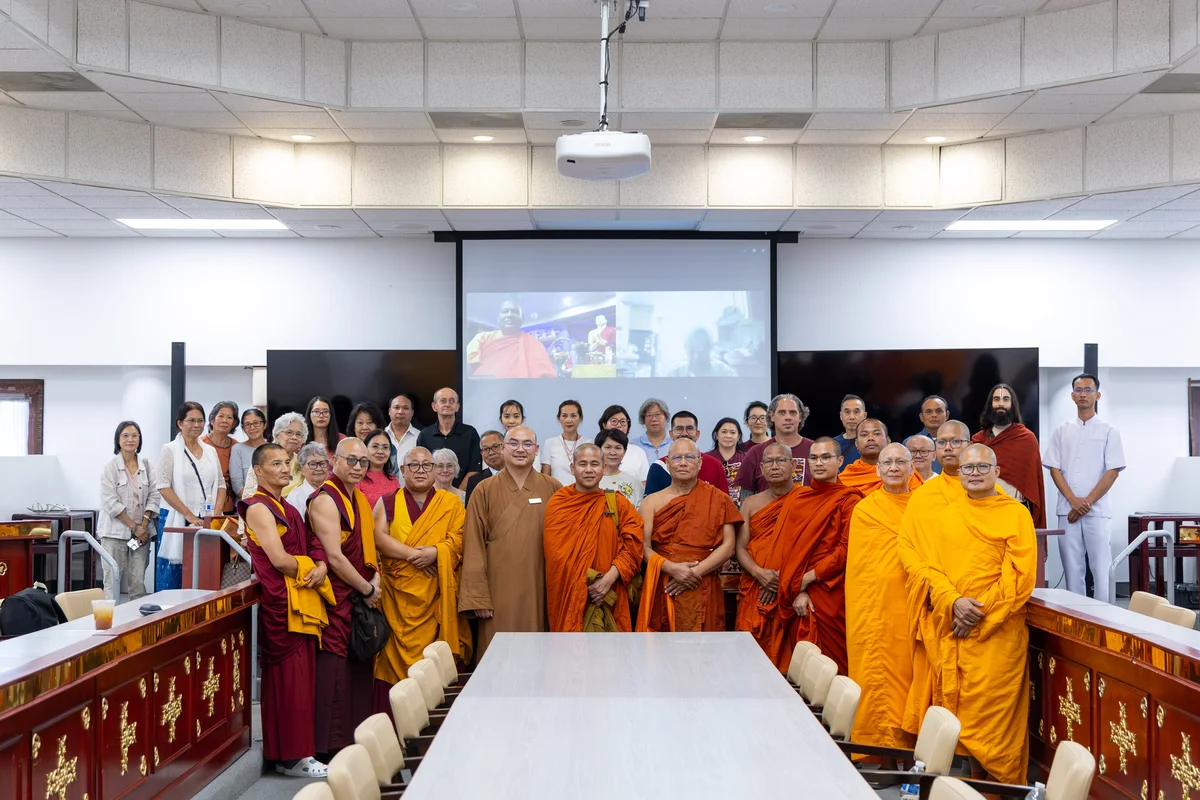
The International Buddhist Association of America (IBAA) hosted a Dharma Study Circle on September 26 at Hsi Lai Temple, bringing together 13 monastics and 37 lay practitioners representing the Theravada, Mahayana and Vajrayana Buddhist traditions. Through Dharma teachings, cross-tradition dialogue and meditation, participants explored how different Buddhist traditions can respond to contemporary physical and mental needs while working together to cultivate compassion, wisdom and peace.
Venerable Hui Dong, abbot of Hsi Lai Temple, welcomed the participants and noted that as interfaith dialogue receives growing attention today, dialogue among different Buddhist traditions is equally important. In the face of war, economic uncertainty, shifting international conditions and anxiety arising from the rapid development of artificial intelligence, Buddhism can offer more than individual spiritual practice. Through compassion and wisdom, it can help bring stability to the human mind and contribute to social harmony and world peace. He expressed hope that the gathering would serve as a starting point for deeper exchange and cooperation.
Venerable Hui Ze of Hsi Lai Temple Social Education and Outreach Department introduced IBAA, whose headquarters are in Washington, D.C., and which has long promoted dialogue and exchange among different Buddhist traditions. He explained that the organization is expanding its regular Dharma Study Circle program to the U.S. West Coast. The gathering opened according to Theravada Buddhist tradition, with monastics leading participants in chanting the Three Refuges and Five Precepts in Pali.
Representing Theravada Buddhism, Venerable Ngim Saosamkhan of Khemara Buddhikarama Temple addressed the topic of mental health. He noted that just as the body needs nutritious food, the mind requires mindfulness, loving-kindness, compassion and wisdom for nourishment. Through his long-term service to the Cambodian community in Southern California, he has witnessed the intergenerational psychological trauma left by experiences of war and immigration. He emphasized that “the temple is also a hospital for the mind.”
When people are experiencing grief, anxiety or loneliness, he said, there is no need to rush to provide answers. “Compassionate listening is itself a form of healing.” Temples, he added, should reach out into their communities and keep their doors open so that people who are suffering can experience acceptance and companionship.
Representing Vajrayana Buddhism, Venerable Geshe Tenzin Sherap of Land of Enlightened Wisdom explored the path to liberation through the concepts of nirvana, the Five Aggregates, non-self, dependent origination and emptiness. He explained that nirvana does not mean the destruction of the physical body, but rather the cessation of afflictions and the causes of suffering. Through the observation and cultivation of wisdom, practitioners come to understand that the “self,” like all phenomena, arises dependently through causes and conditions and has no independent inherent existence. This understanding allows practitioners to release attachment and bring afflictions to an end.
He concluded by referring to the Triple Gem—the Buddha, Dharma and Sangha—and emphasized that Buddhism is not merely a body of knowledge, but a way of life that can be personally realized through understanding, meditation and wisdom.
Representing Mahayana Buddhism, Venerable Hui Ze presented “Interfaith Dialogue Through the Lens of Humanistic Buddhism.” Drawing on the spirit of Humanistic Buddhism advocated by Fo Guang Shan Founding Master, Venerable Master Hsing Yun, he noted that Sakyamuni Buddha was born, practiced, attained enlightenment and taught the Dharma in the human world. Therefore, Buddhism cannot be separated from the realities of human life.
Using the concepts of “Now, Here and Us,” Venerable Hui Ze explained that Humanistic Buddhism emphasizes responding to the needs of people in the present. He described the Five Precepts not simply as prohibitions, but as positive commitments to respecting life, property, personal dignity, trust, and physical and mental well-being. Loving-kindness, compassion, joy and equanimity can thus be brought into everyday life and expressed through service to others.
In addressing the diversity of Buddhist traditions, Venerable Hui Ze called for greater cooperation while respecting differences, enabling Buddhism to play a constructive role in contemporary public issues such as war, climate change and artificial intelligence. “Rather than simply waiting for a Pure Land in the future, we can begin now by transforming the world we live in into a Pure Land on Earth,” he said.
He concluded by offering a blessing that the Buddha’s compassion and wisdom may abide in everyone’s heart and be expressed through compassionate actions each day.
The gathering concluded with Anapanasati meditation, guiding participants to settle their bodies and minds by becoming aware of each breath and returning their attention to the present moment. The practice provided a peaceful conclusion to the day’s exchange among the three Buddhist traditions.
評論(0)
目前沒有評論,歡迎分享您的看法。
登入會員後即可發表評論、回覆及讚。