


Fo Guang Shan Hsi Lai Temple
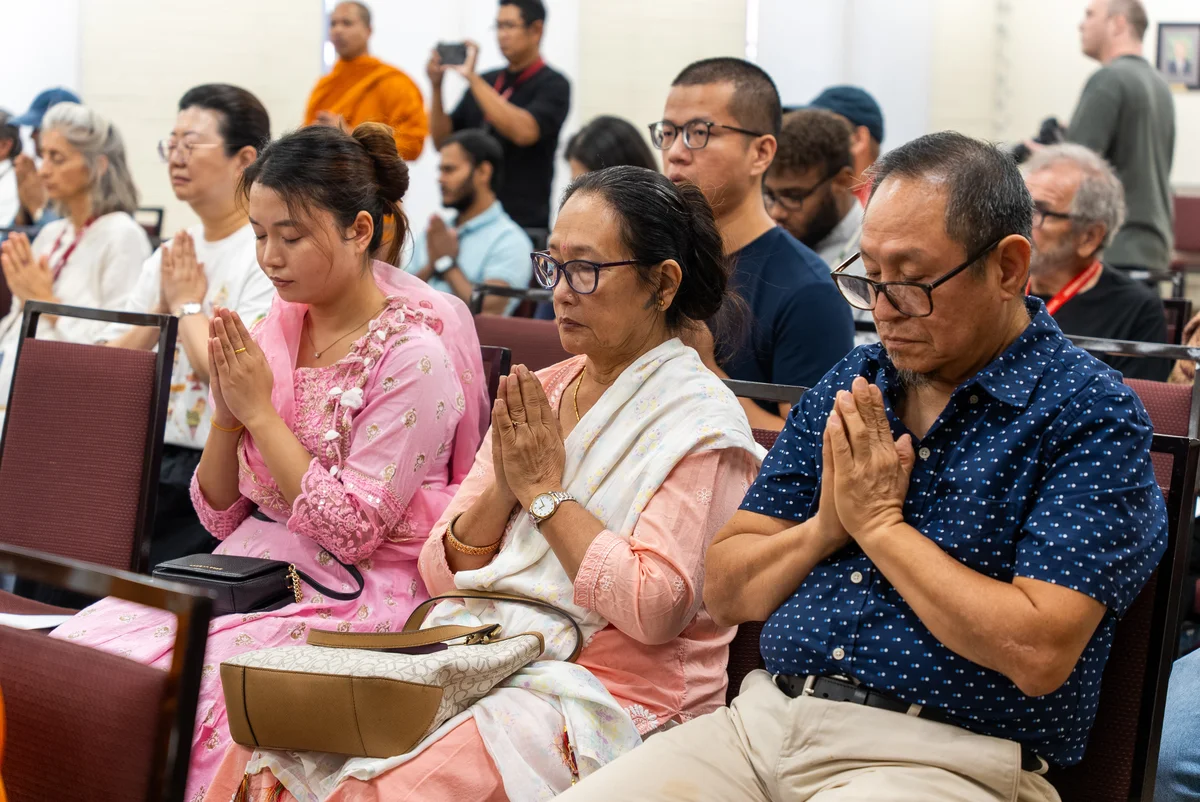
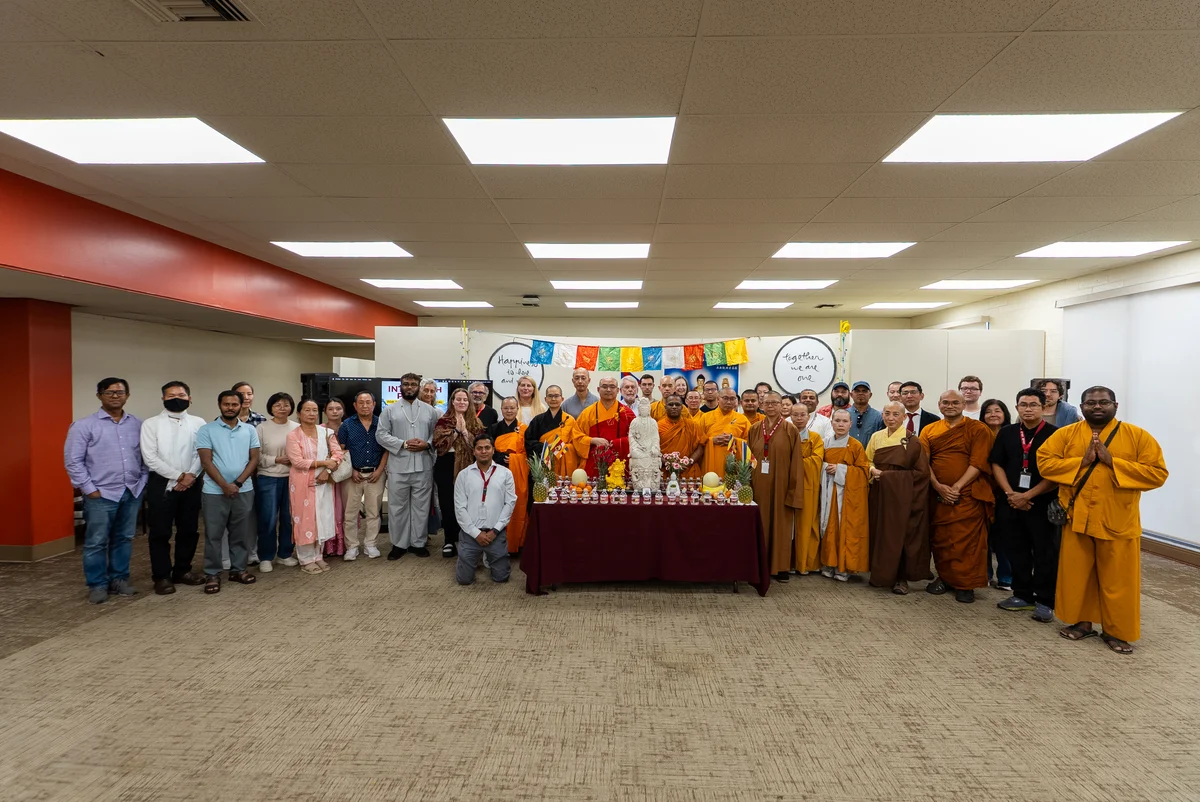
The Department of Religious Studies at the University of the West (UWest) hosted an interfaith prayer gathering titled “Standing in Solidarity, Offering Hope” at noon on September 30, bringing together nearly 50 monastics, religious leaders, faculty members, students and community members. Participants representing Theravada, Mahayana and Tibetan Buddhism, as well as Hinduism, Islam and Christianity, gathered to pray for those affected by devastating floods and landslides in Nepal, honoring the lives lost and wishing survivors strength as they recover from their grief and rebuild their homes.
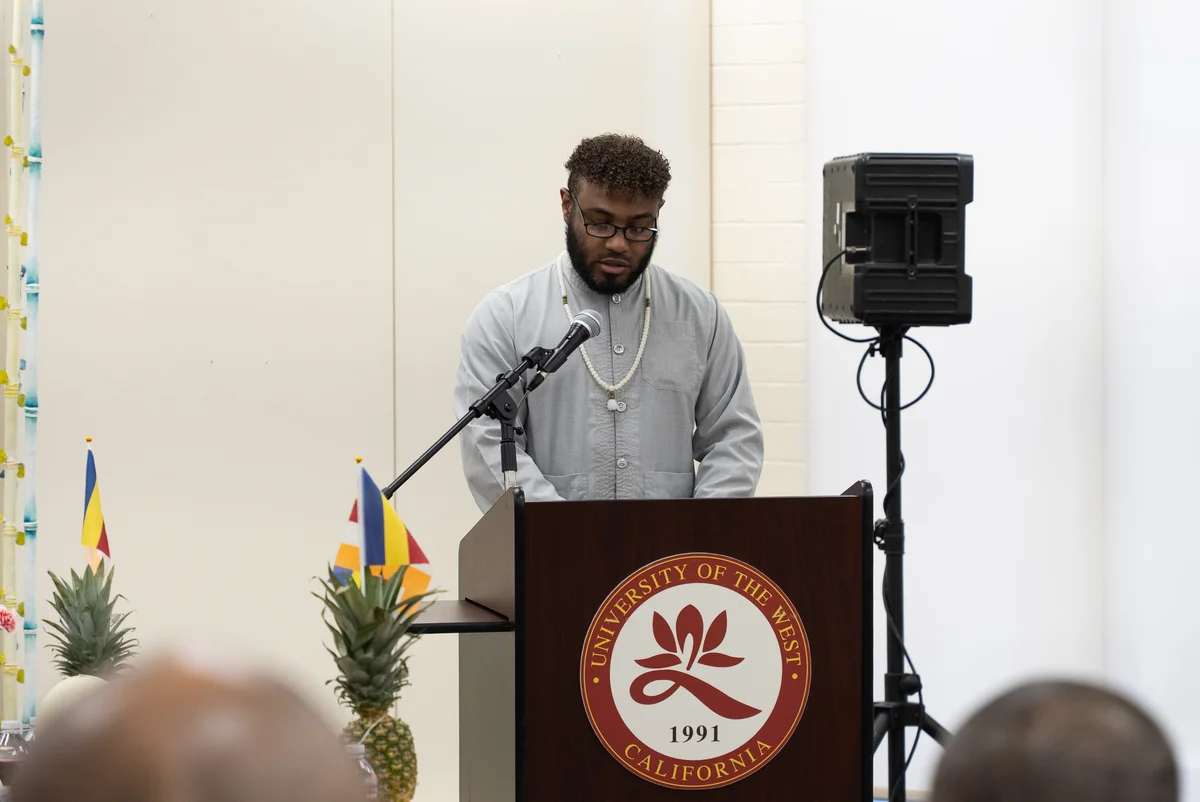
The gathering was hosted by UWest student Ven. Purnajan Maharjan, who outlined the scale of the disaster, noting that flooding and landslides had caused significant loss of life and widespread destruction of homes. He expressed hope that interfaith prayer could unite people in compassion and support for those affected.
Dr. Miroj Shakya, chair of the Department of Religious Studies, said compassion transcends geography, language, culture and religion in times of disaster. The gathering was not only an occasion for prayer, he noted, but also a reminder to survivors that they had not been forgotten. He expressed hope that the goodwill generated by the event would translate into meaningful care and action.
UWest President Ming-Hwa Hsieh’s remarks were delivered by Vanessa Karam, director of Student Affairs. Hsieh prayed for peace for those who had died and for physical and emotional healing for the injured and those who had lost their homes. She noted that recovery after a disaster can take years and requires sustained resilience and support.
“May prayer become strength, may compassion become service, and may solidarity become a force for healing and rebuilding,” she said, encouraging participants to look beyond differences in nationality, religion and culture and support the people of Nepal through their shared humanity.
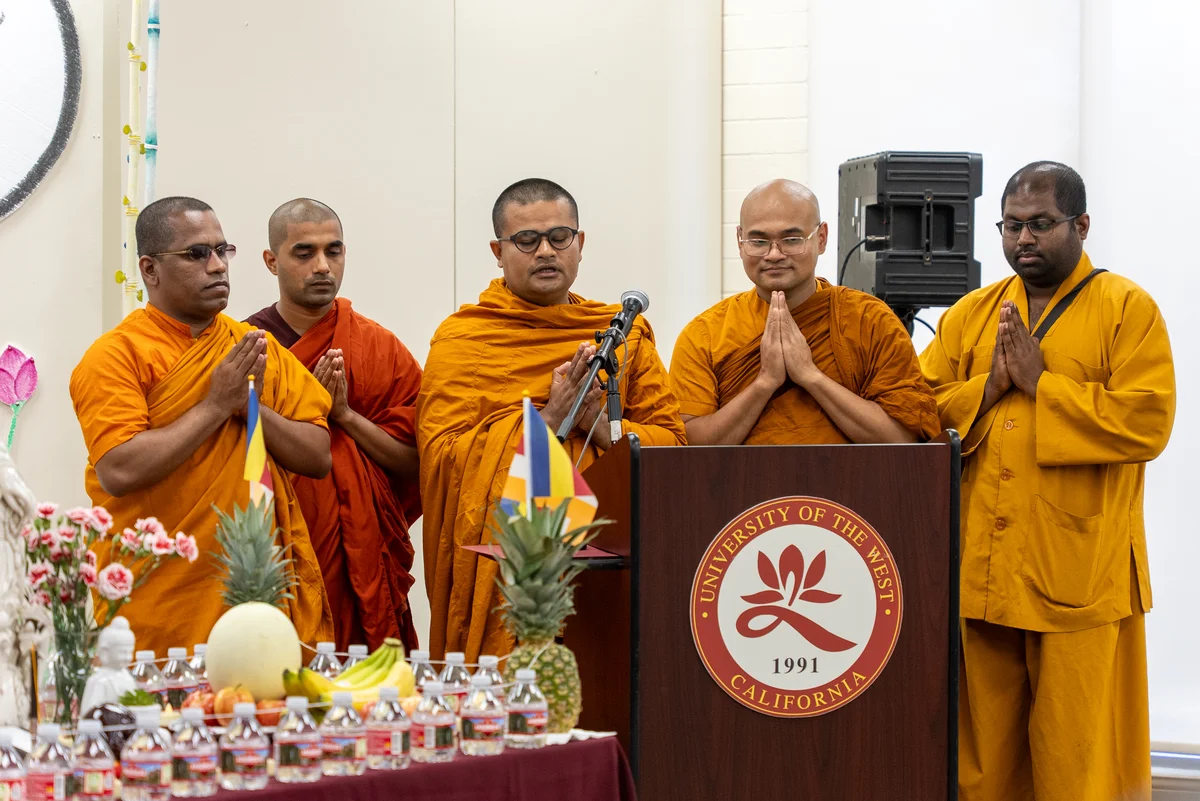
The prayer gathering opened with five Theravada Buddhist monastics—Most Venerable Ananda, Ven. Dhammaratana, Ven. Suvarna, Ven. Sirisumana and Ven. Purnajan Maharjan—chanting the Metta Sutta in Pali, extending loving-kindness to all sentient beings. Prof. Tom Moritz followed with an English recitation of the same discourse. The session concluded with Dr. Miroj Shakya leading first-year Pali students in chanting verses of blessing and dedicating the merit to those affected by the disaster, with prayers for protection, safety and well-being.
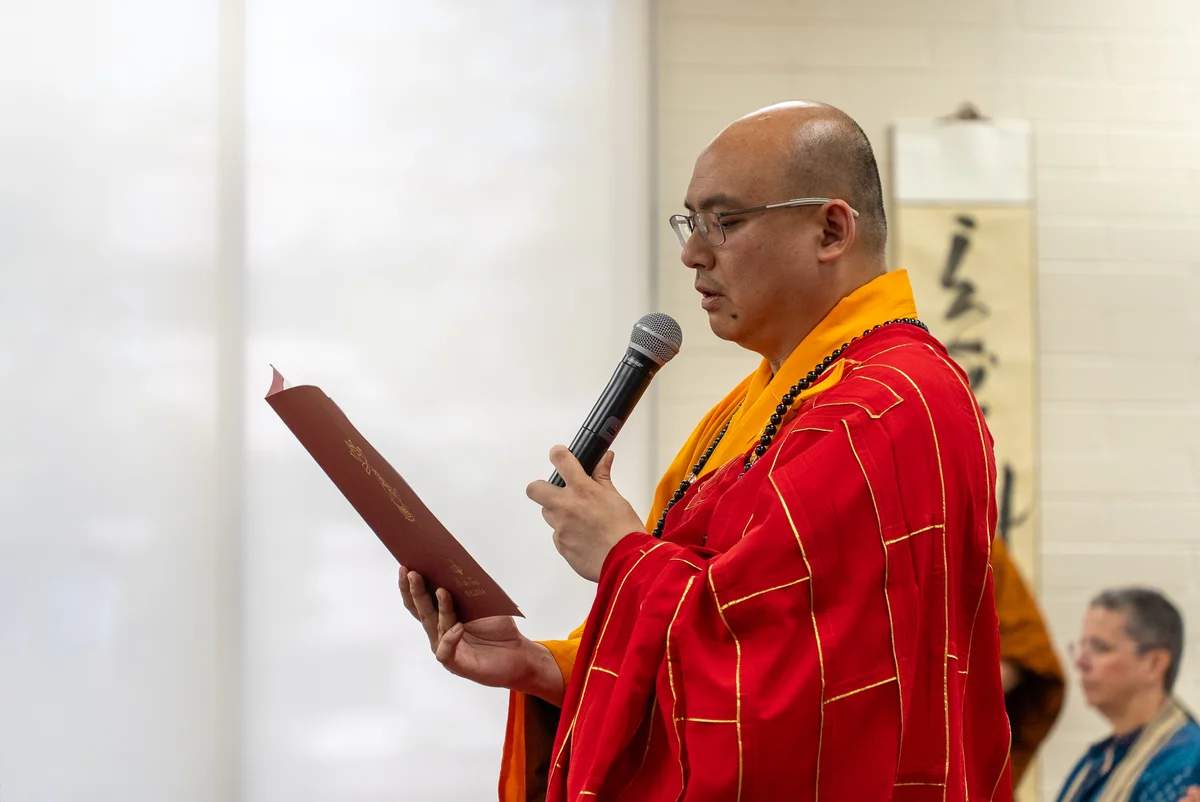
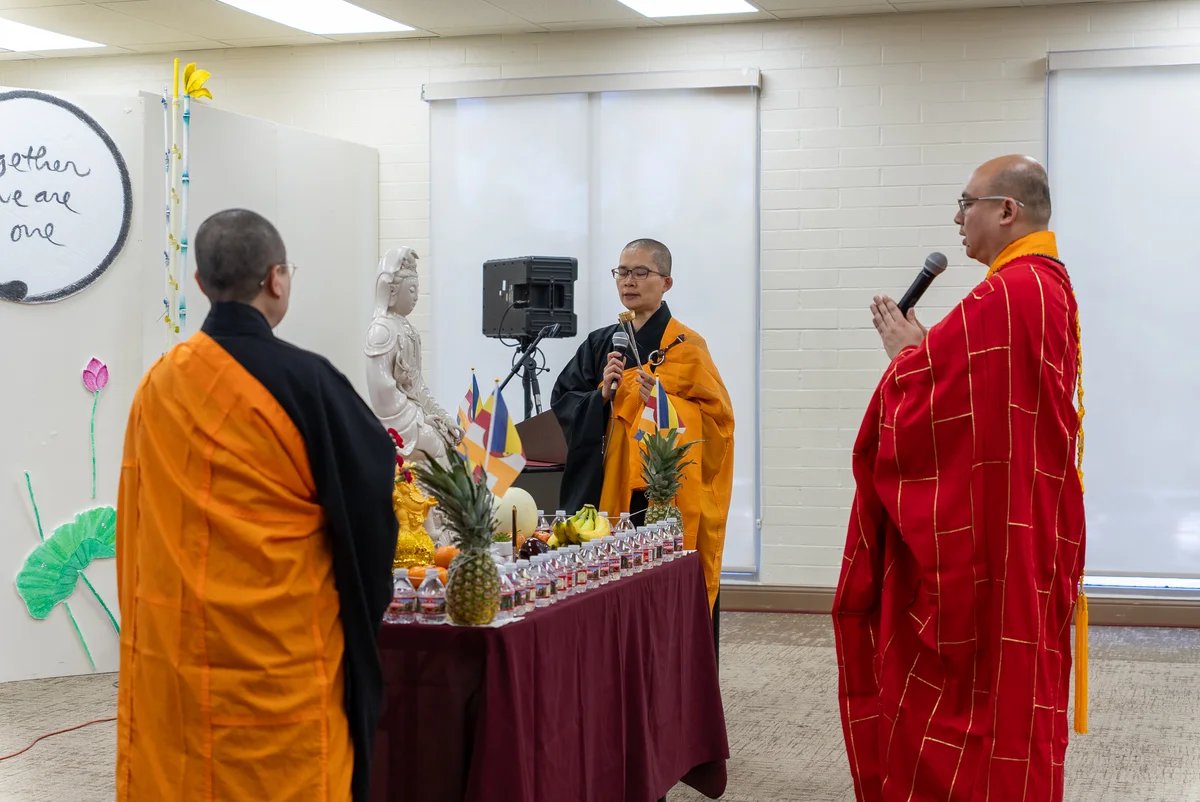
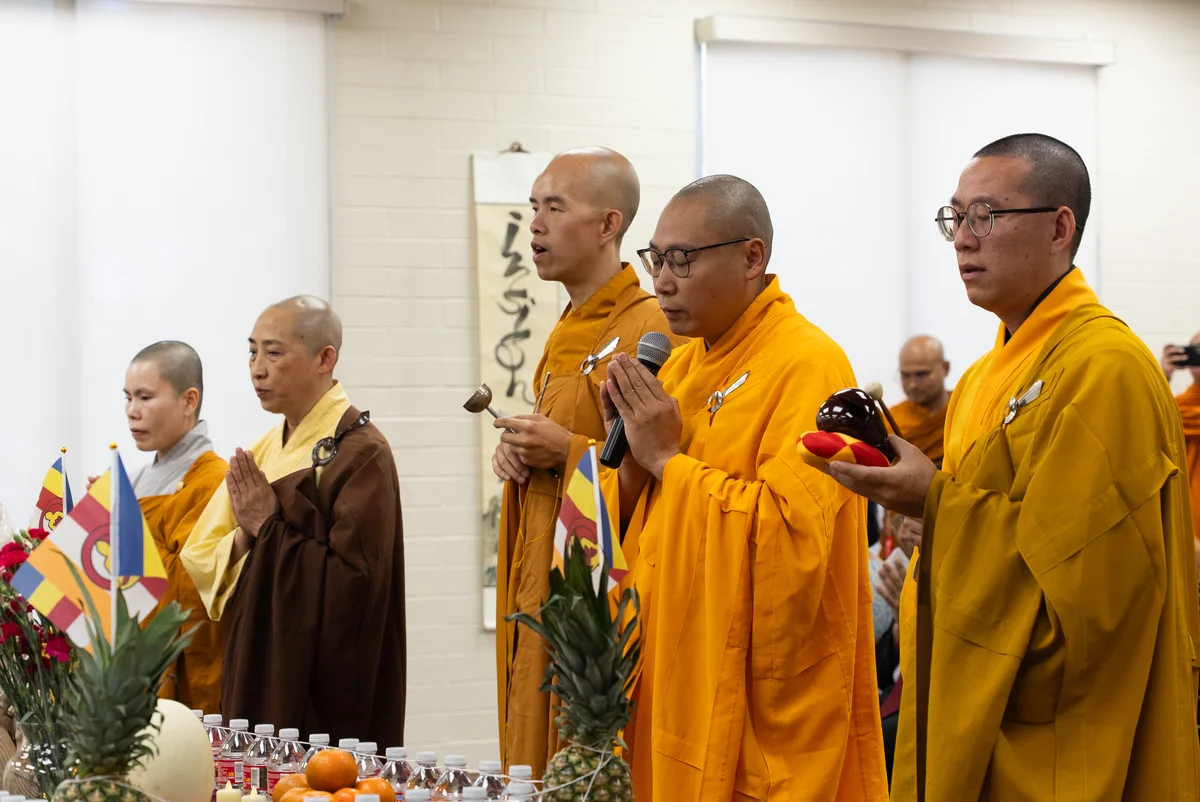
The Mahayana Buddhist prayer was led by Venerable Hui Ze of Fo Guang Shan Hsi Lai Temple, joined by Venerable Jue Huang, head of the Social Education and Outreach Department, and Venerable Zhi Qian of the Publicity Department in chanting the Great Compassion Mantra.
On behalf of Hsi Lai Temple’s monastic community, Venerable Hui Ze also conveyed condolences to disaster survivors and the families of those who had died. He then recited the English version of “Prayer for Those Affected by Floods,” written by Fo Guang Shan founder Venerable Master Hsing Yun. The prayer expressed the wish that the deceased be reborn in the Pure Land and that survivors regain physical and emotional well-being. Drawing on the words, “To live is to have hope; To survive is to possess great strength,” he encouraged those affected to face their trauma with courage and rebuild their lives.
Vietnamese Buddhist students at the university—Ven. Heng You Shr, Ven. Cuong Phan, Ven. Thai Lam and Ven. Nhu Vy—chanted the Heart Sutra in Vietnamese and dedicated the merit to all sentient beings.
Andre Davis, representing Japanese Jodo Shinshu Buddhism, recited the verses of the great vows from the Sutra of the Immeasurable Life, invoking the expansive vows of Dharmakara Bodhisattva in prayers for disaster survivors. Representing Tibetan Buddhism, Dr. Miroj Shakya joined Sanskrit students in chanting the Dharani for Purifying the Evil Destinies, praying that those who had died be freed from karmic obstacles and attain a favorable rebirth.
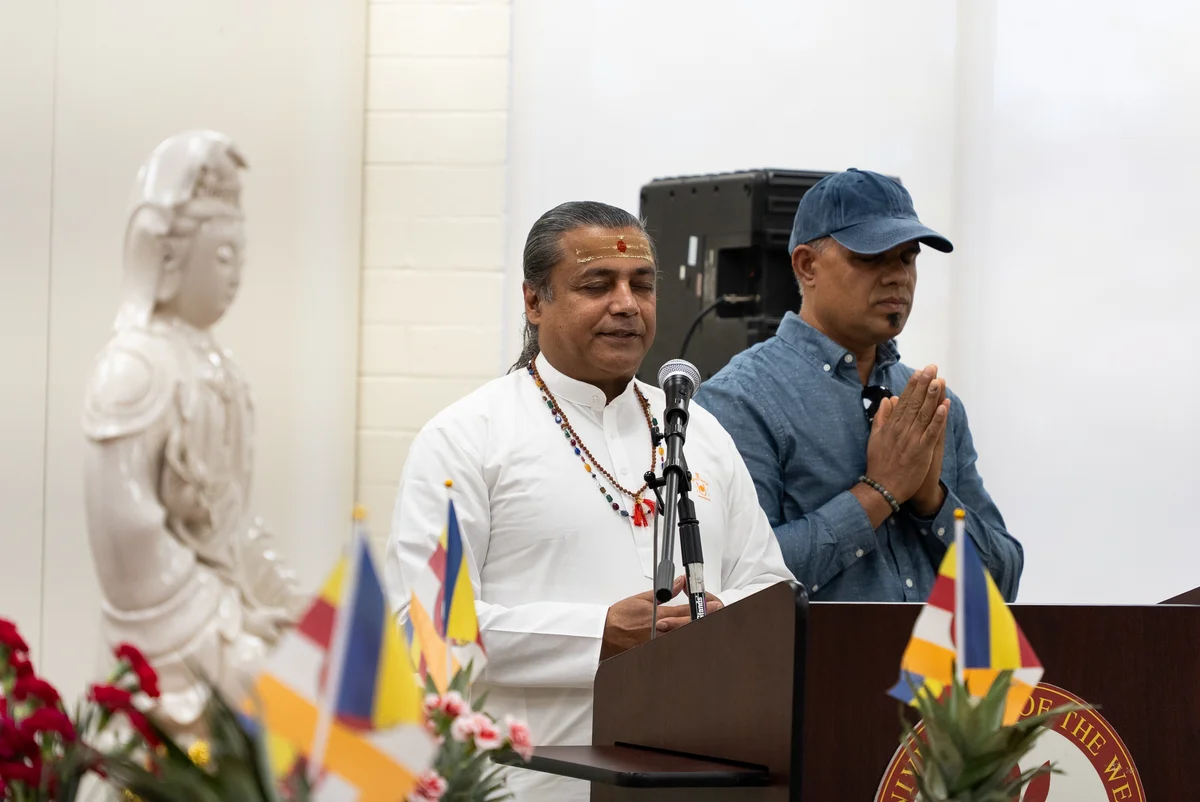
The Hindu prayer was led by Acharya Chandramani Pathak, chief priest of Pashupati Buddha Mandir in Norwalk, California, who guided participants through prayers from the Vedic tradition. Siddharth Kasewal, the temple’s senior vice president, emphasized that every prayer and every good intention could offer support to those who were suffering.
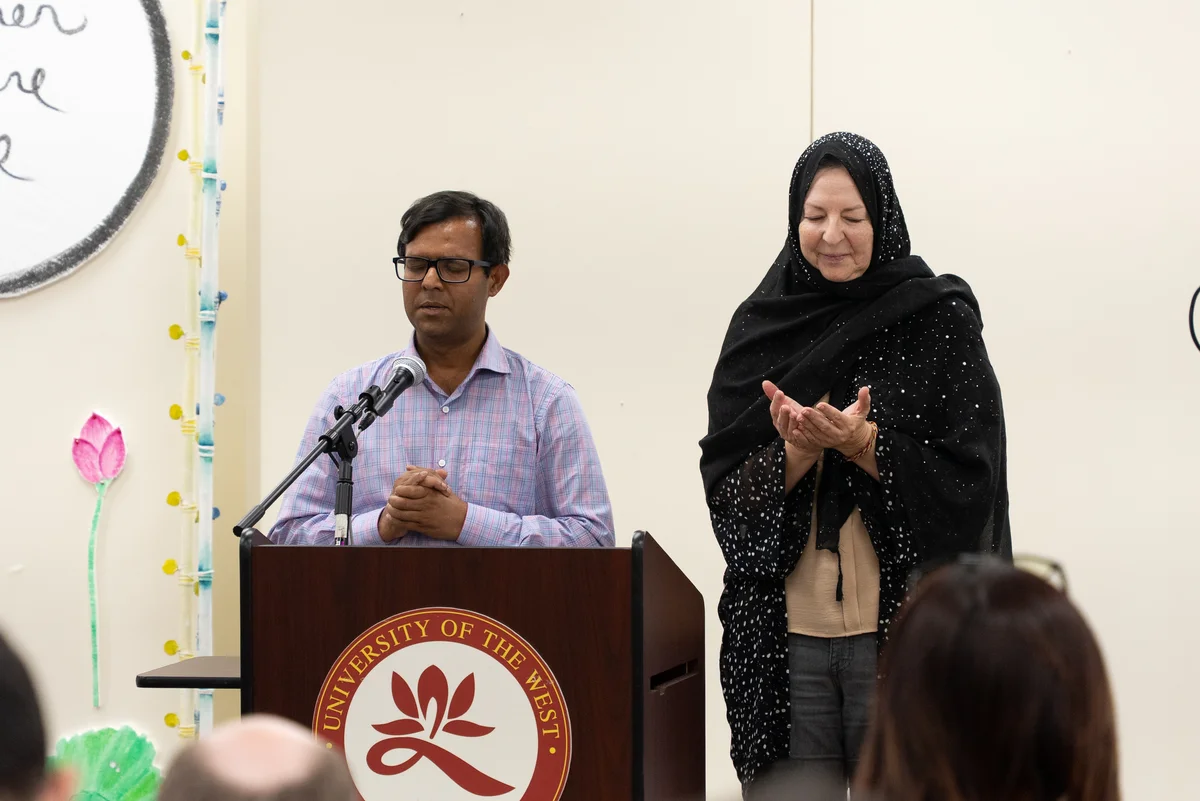
Representing Islam, Vanessa Karam and Abdul, a doctoral student in the Department of Religious Studies, recited Al-Fatiha, the opening chapter of the Quran. They prayed for peace for those who had died and strength for affected families, while also calling for the protection of the Earth. Their message expressed the hope that “compassion would overcome despair, generosity would respond to suffering, and strangers would become neighbors.”
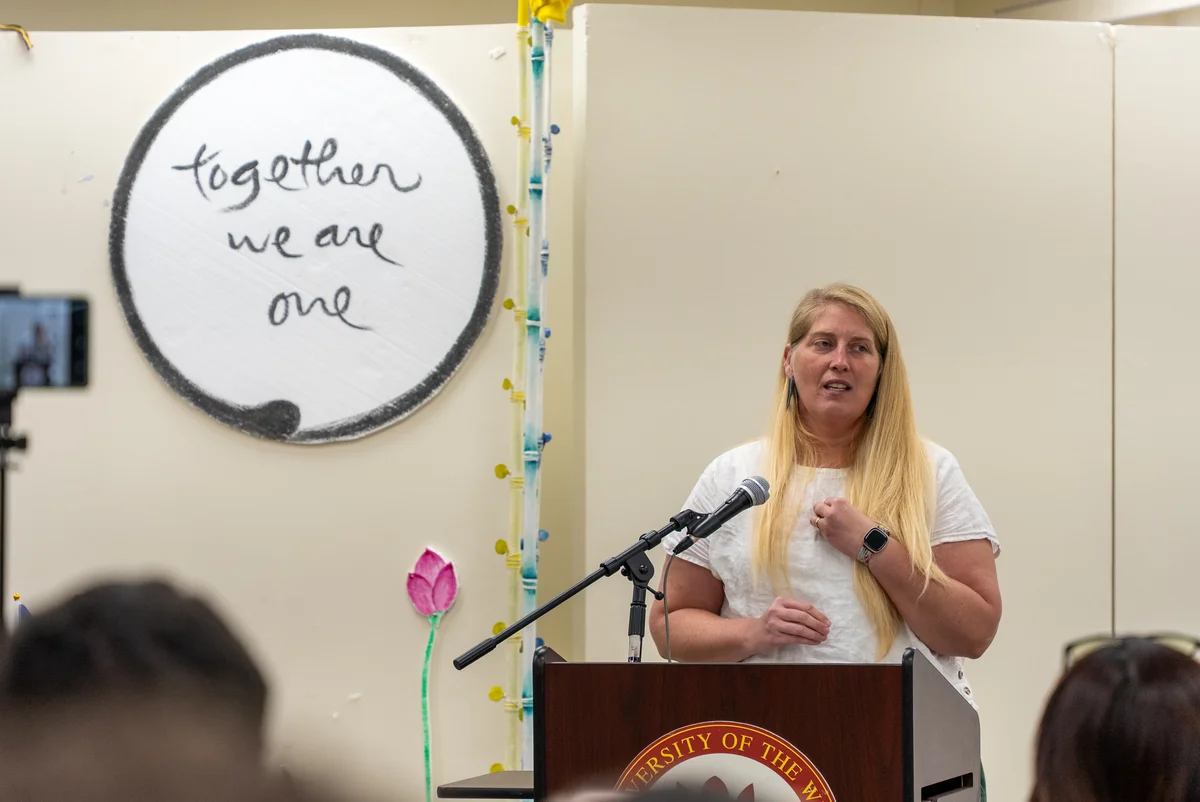
Dr. Jessica Spence Moss, representing Christianity, drew on the teachings of bearing one another’s burdens, mourning with those who mourn and comforting those in need. She observed that even when people could not understand every language used in prayer, they could still feel the compassion shared by everyone present. Invoking the phrase “Together We Are One,” she reinforced the spirit of interfaith solidarity and encouraged participants to turn prayer into service and care for others.
Following the prayers from each religious tradition, Ven. Purnajan Maharjan invited everyone to close their eyes, join their palms and participate in a collective dedication of merit, directing the goodwill and blessings gathered through the prayers toward those who had lost their lives.
Although many participants had never met the disaster survivors and were separated from them by thousands of miles, Maharjan said, they could still feel their suffering. “In a time filled with divisions, we become one—we become one humanity,” he said.
He also expressed gratitude to rescue teams, military and police personnel, volunteers and donors who had contributed to disaster relief. He encouraged people of all faiths to transform compassion into action, work together to reduce the impact of disasters and protect the planet.
評論(0)
目前沒有評論,歡迎分享您的看法。
登入會員後即可發表評論、回覆及讚。