


By BLIA News | Manila, Philippines
Fo Guang Shan Mabuhay Temple hosted its Community of Practice on Mindfulness (CoPM) on June 28, offering an interactive program that combined a vegetarian market, meditation, and cultural exchange. Conducted entirely in English, the event attracted many participants from non-Buddhist and non-Chinese-speaking backgrounds, providing an accessible introduction to the compassion, wisdom, and everyday practice of Humanistic Buddhism.
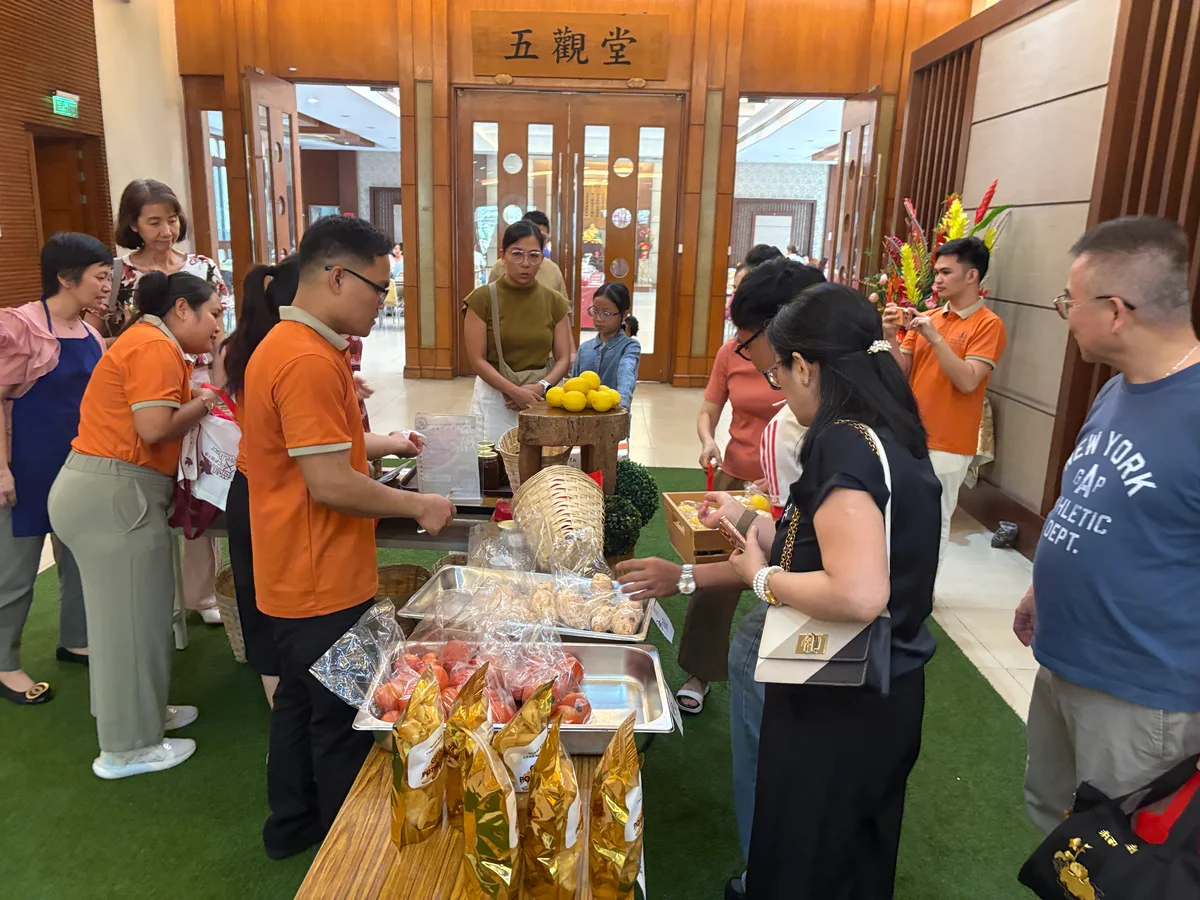
The program began with the opening of Mabuhay Temple's Vegetable Market, featuring fresh produce grown in the temple garden and homemade pickled vegetables. While selecting healthy plant-based foods, visitors experienced the temple's commitment to sustainable living and harmony with nature.
The gathering opened with a prayer service for those affected by the recent earthquakes in Mindanao and Venezuela. Guided by a prayer composed by Venerable Master Hsing Yun, participants offered their sincere wishes for the victims' safety, recovery, and freedom from suffering.
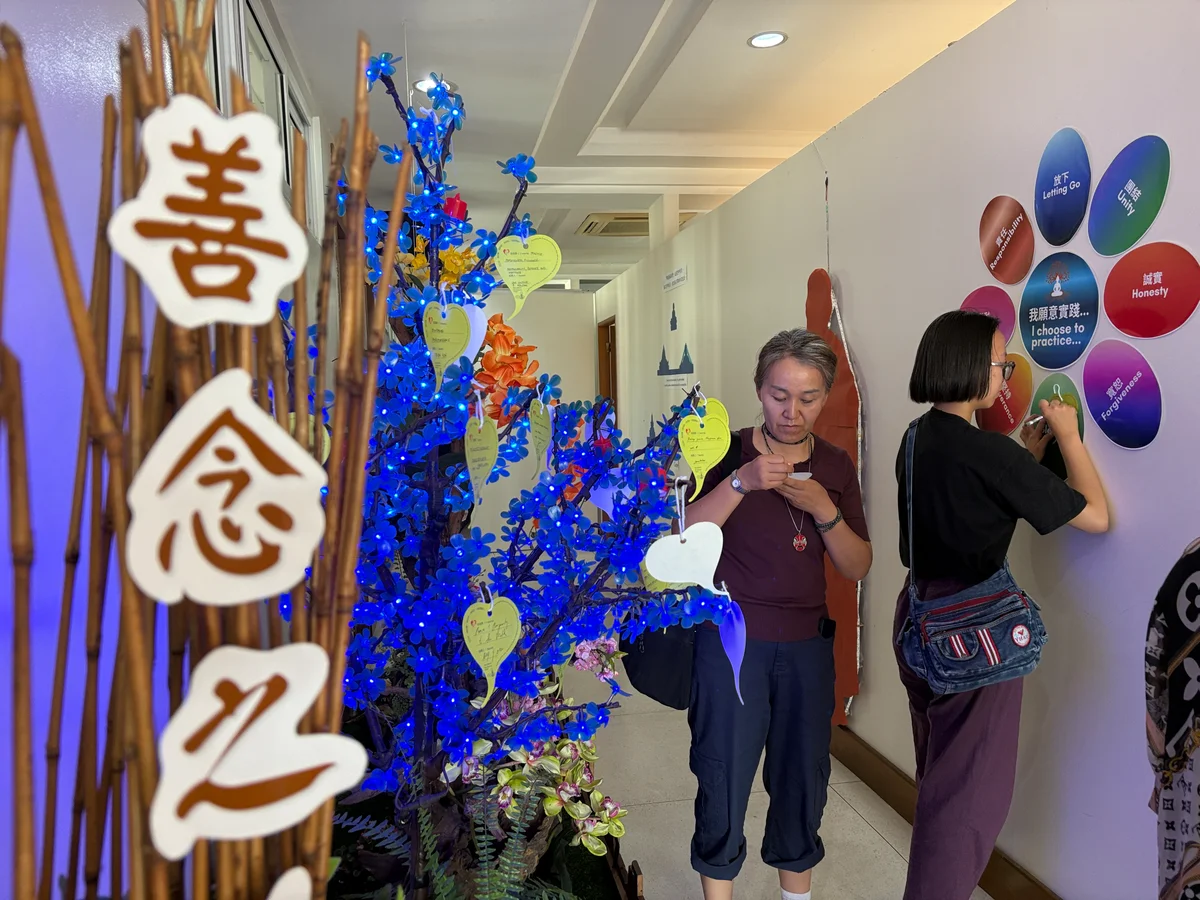
This was followed by a mindful breathing meditation, during which participants practiced counting their breaths to cultivate present-moment awareness and inner calm. Interactive activities, including the Wall of Virtues reflection and the Kindness Tree, invited everyone to express gratitude, reflect on personal experiences, and transform positive intentions into meaningful acts of kindness.
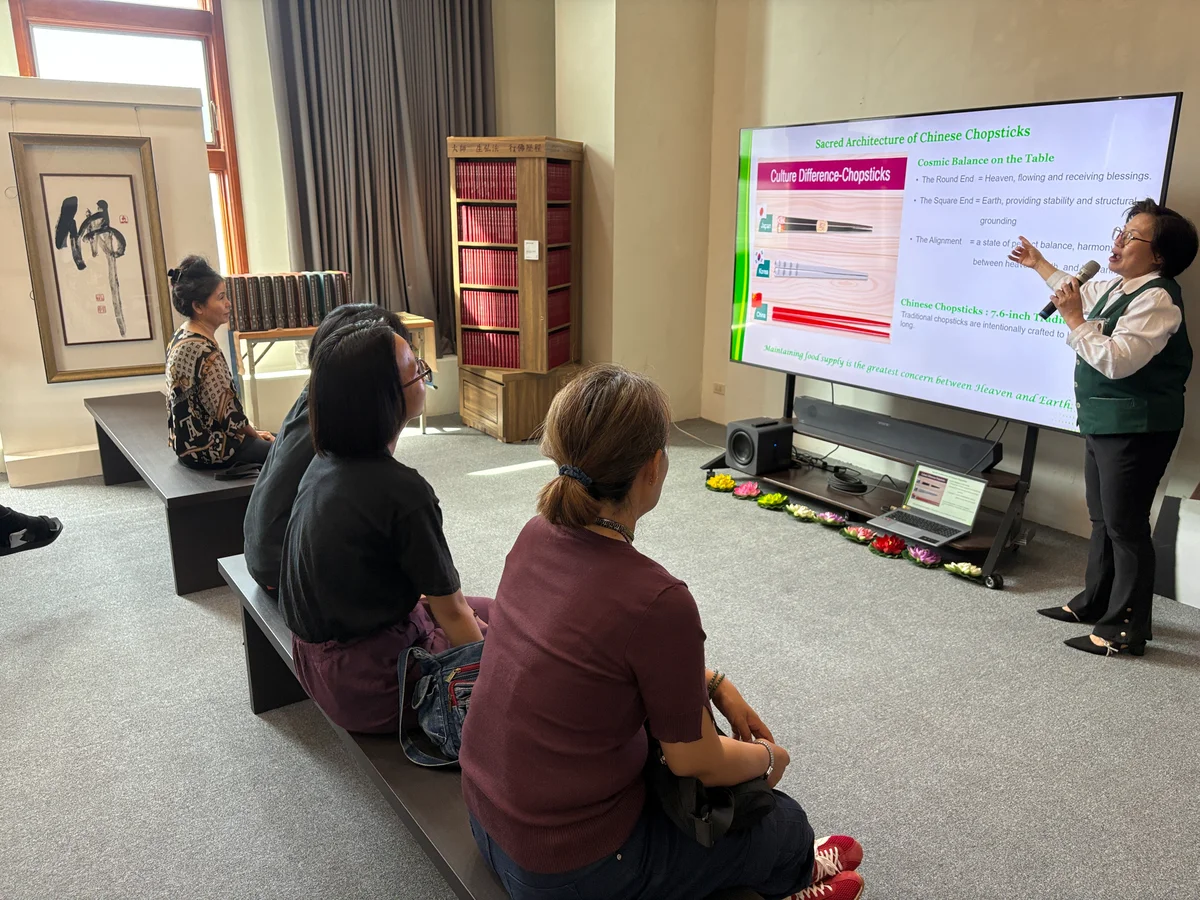
During the cultural sharing session, Belinda Tan presented "A Meal of Gratitude Through Vegetarian Living," introducing the Buddhist dietary tradition of avoiding the Five Pungent Vegetables—garlic, onions, leeks, chives, and asafoetida—as well as the cultural etiquette and symbolism associated with different types of chopsticks. Her presentation helped participants appreciate that mindful eating is not merely about nutrition but also an extension of spiritual cultivation.
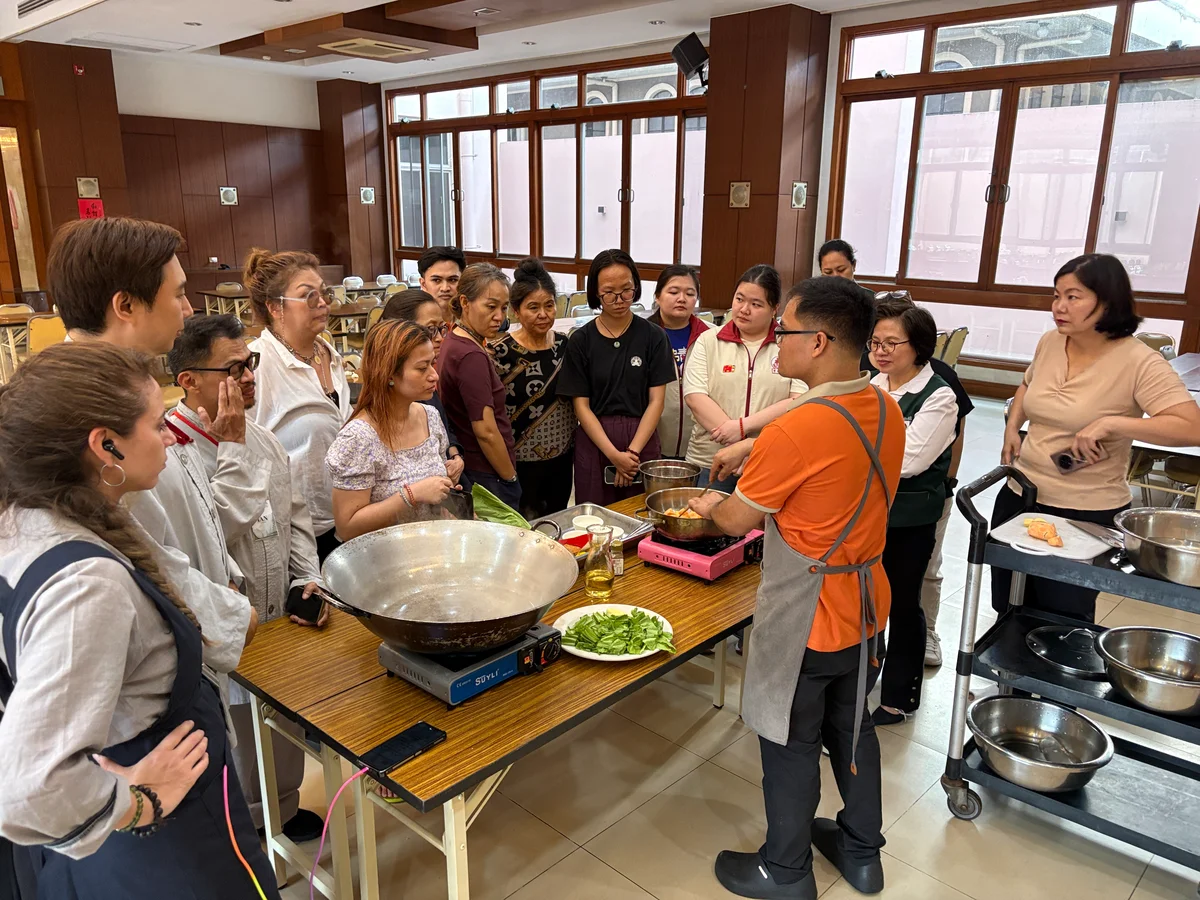
Mabuhay Temple's kitchen coordinator, Mariel, demonstrated four creative vegetarian dishes featuring pumpkin and tomatoes, blending Taiwanese and Filipino culinary traditions. He shared that many of the cooking techniques were learned during his training at Fo Guang Shan Monastery in Taiwan and expressed his hope that these innovative cross-cultural recipes would inspire more people to embrace a vegetarian lifestyle.
Venerable Miao Jing, Abbess of Mabuhay Temple, explained that CoPM is designed as an interactive and spiritually enriching community where people from diverse backgrounds can gather to experience Humanistic Buddhism together.
"Through everyday experiences, the Dharma is no longer a distant philosophy but something that can be practiced through our breathing, our meals, and our relationships with others."
CoPM core team member Amor Maclang described the gathering as an "open home" that warmly welcomes people of all faiths and cultural backgrounds, especially those who are unfamiliar with Buddhism. She noted that many first-time participants had never visited a Buddhist temple before, yet they felt comfortable, welcomed, and inspired throughout the program. Creating such an inclusive and friendly environment, she said, is one of the primary purposes of CoPM.
By integrating vegetarian cuisine, meditation, prayer, and cultural exchange, the event embodied Fo Guang Shan's mission of "propagating the Dharma through culture, nurturing talent through education, benefiting society through charity, and purifying human hearts through spiritual cultivation." Conducted in English and embracing multicultural participation, the Community of Practice on Mindfulness continues to open the doors of Humanistic Buddhism to an ever-growing and diverse community in the Philippines.
評論(0)
目前沒有評論,歡迎分享您的看法。
登入會員後即可發表評論、回覆及讚。