


Merit Times News Agency, Xi Chen, Manila, Philippines | August 3, 2026
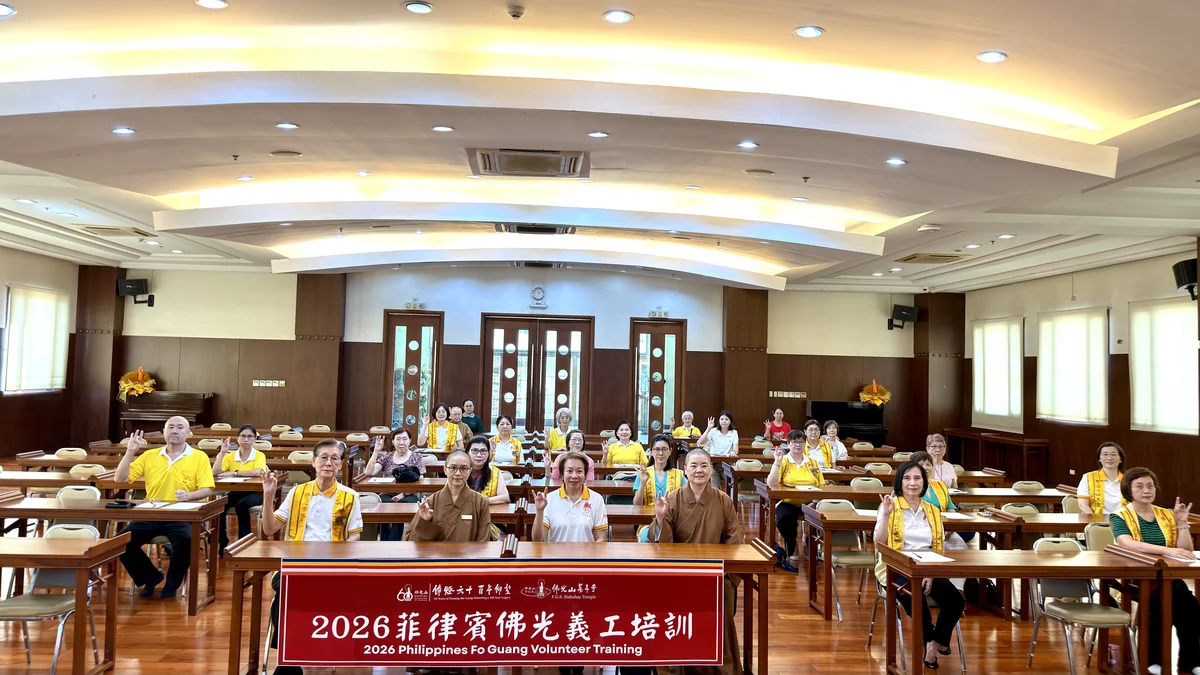
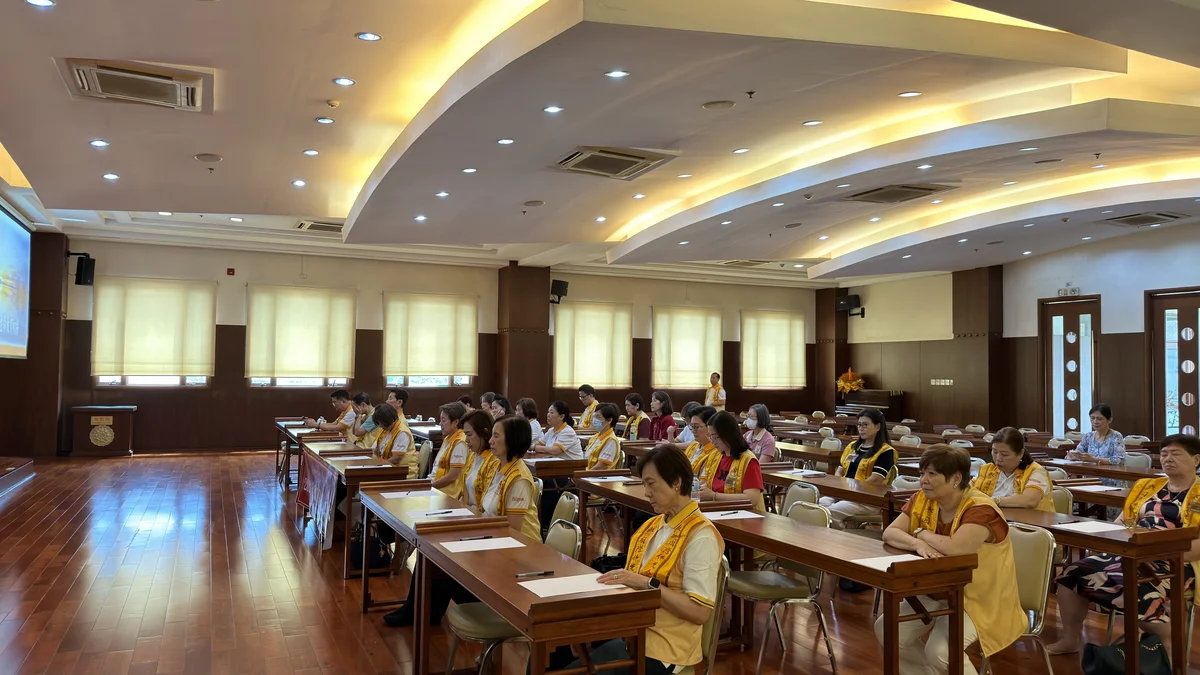
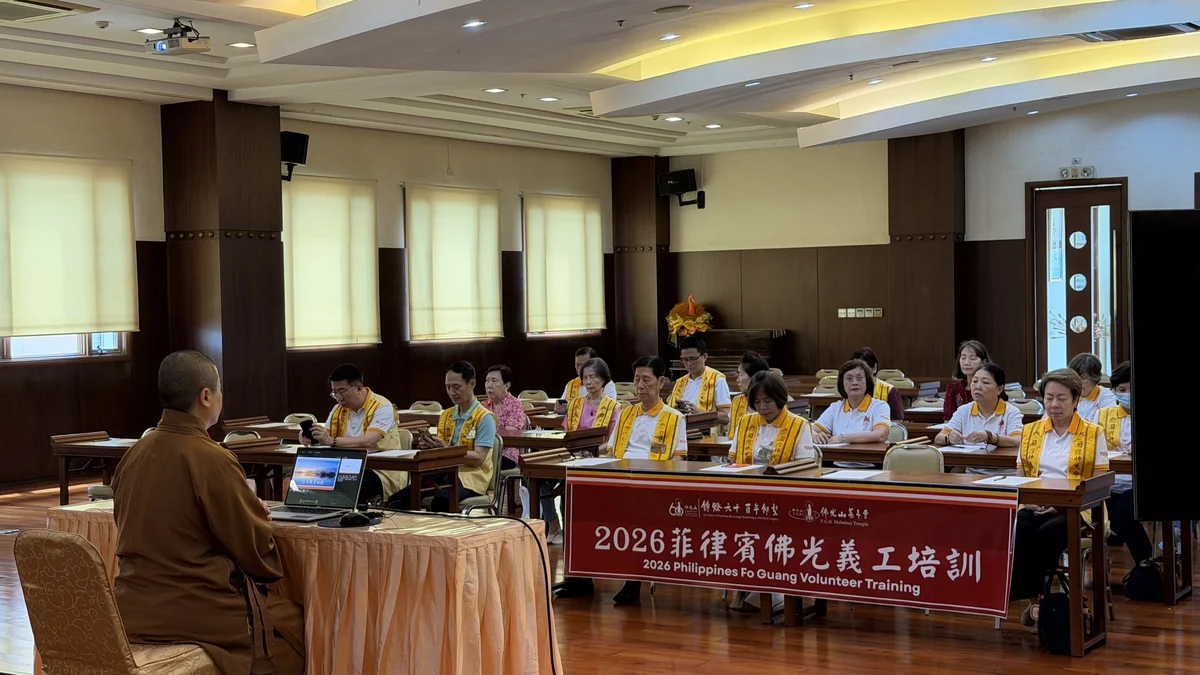
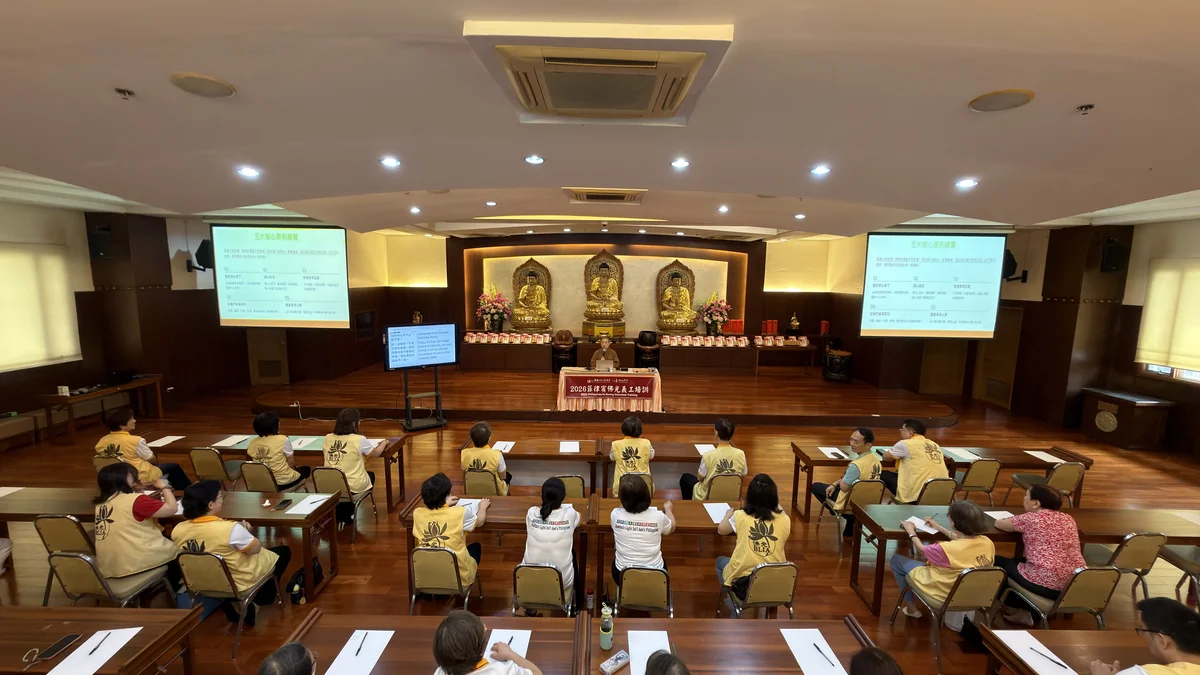
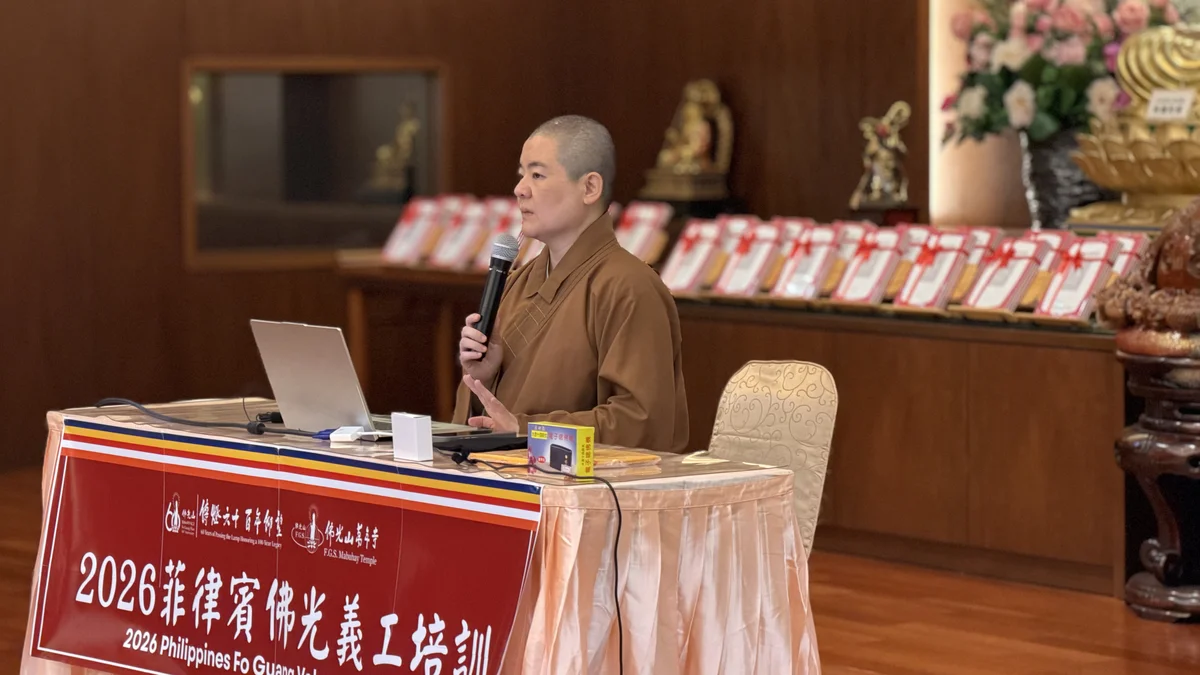
When facing the profound realities of life and death, many people experience uncertainty and fear. This is especially true when a loved one approaches the end of life, as a lack of understanding can often leave family members feeling helpless and unsure of what to do. To help the public develop a proper understanding of life and death, Fo Guang Shan Mabuhay Temple in the Philippines invited Venerable Ruqing, Director of the Fo Guang Yuan Manila Art Gallery, to give a lecture entitled “An Introduction to Life Education” on August 1. The lecture provided an in-depth introduction to funeral practices and the essential principles of supportive chanting for the dying and deceased. A total of 45 participants, including Fo Guang members, participants of the Chinese Fo Guang Youth Study Tour, and members of the public, attended the lecture. Participants actively raised questions and shared their personal experiences, reflecting on the true meaning of life and death through Dharma teachings and dialogue.
Drawing on the Humanistic Buddhism teachings of Fo Guang Shan’s founder, Venerable Master Hsing Yun, Venerable Ruqing explained that death is a natural process and transition in life. Funerals should serve to comfort the bereaved, honor and remember the deceased, and inspire the living to cherish life. Venerable Ruqing first introduced Venerable Master Hsing Yun’s distinctive perspective on death. The Master taught that death is not the end, but rather a natural transition in life, much like “moving to a new home, changing clothes, graduating, or going on a journey.” Therefore, the essence of a funeral does not lie in elaborate ceremonies or outward display, but in bringing peace to the deceased and allowing the living to fulfill their filial duties. Through right mindfulness and wholesome deeds, one can bring the final journey of life to a meaningful and fulfilling conclusion.
Venerable Ruqing emphasized the principles of “no vanity, no attachment, no extravagance, and no superstition” when making funeral arrangements, which should be handled in a simple, dignified, appropriate, and reasonable manner. When accompanying someone at the end of life and providing supportive chanting, it is important to respect the person’s faith, help maintain physical and mental calm, and recite the Buddha’s name clearly and steadily to guide them toward right mindfulness. Grief can also be transformed through sutra chanting, Buddha-name recitation, charitable giving, and wholesome deeds, with the merits dedicated to the deceased. Venerable Ruqing further pointed out that true filial piety lies in accompanying and caring for loved ones while they are still alive. The deceased may also be commemorated through charitable service, environmentally friendly funeral practices, and organ donation, allowing their compassion and spirit to live on.
Participants responded enthusiastically during the discussion session, with many strongly agreeing that “true filial piety lies in caring for our loved ones while they are still alive.” They actively raised questions and exchanged practical experiences. Through listening to the Dharma and engaging in discussion, participants came to appreciate the wisdom of “caring for the living and blessing the deceased.” They also learned to accompany others with compassion through the final journey of life, transforming remembrance into wholesome deeds and allowing the love left behind to continue benefiting the world.
評論(0)
目前沒有評論,歡迎分享您的看法。
登入會員後即可發表評論、回覆及讚。